GHK-Cu (Copper Peptide)
What is GHK-Cu (Copper Peptide)?
GHK-Cu is a naturally occurring tripeptide (glycyl-L-histidyl-L-lysine) that binds to copper ions and plays a key role in tissue regeneration, wound healing, skin remodeling, and anti-aging processes. First identified in human plasma, GHK-Cu levels decline with age, but research suggests that restoring it can reverse visible signs of aging and stimulate cellular repair across multiple tissues.
Potential Benefits Shown in Studies
- Stimulating collagen and elastin production
- Repairing damaged skin and reducing wrinkles
- Speeding up wound healing and reducing scar tissue
- Supporting hair growth and scalp health
- Reducing inflammation and oxidative stress
- Regenerating nerves and blood vessels
- Improving overall skin tone and firmness
Mechanisms of Action
GHK-Cu promotes healing and regeneration by:
- Activating wound healing genes and tissue remodeling pathways
- Stimulating collagen and elastin production in skin and joints
- Promoting angiogenesis (new blood vessel formation)
- Reducing inflammation and oxidative stress
- Regulating metalloproteinases for scar-free healing and skin tightening
Because it occurs naturally in the body, GHK-Cu is well tolerated and widely studied in both dermatology and regenerative medicine.
Research Highlights
Skin Repair and Anti-Aging
Topical application of GHK-Cu has been shown to reduce wrinkles, improve skin elasticity, and enhance firmness by increasing collagen, glycosaminoglycans, and fibroblast activity.
Wound Healing and Tissue Regeneration
GHK-Cu accelerates wound closure and reduces scar formation by promoting angiogenesis, immune regulation, and tissue matrix rebuilding.
Hair Growth Stimulation
Research supports GHK-Cu's ability to stimulate hair regrowth, likely due to its effects on follicle enlargement, stem cell activation, and improved scalp circulation.
Molecular Structure
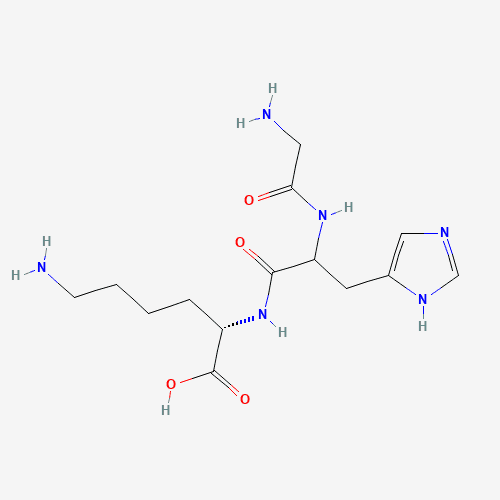
Gly-His-Lys (with bound Cu²⁺)
C₁₄H₂₄CuN₆O₄
340.9 g/mol