
Semaglutide
What is Semaglutide?
GLP-1 S is a GLP-1 receptor agonist originally developed to treat type 2 diabetes. It works by mimicking the body's natural GLP-1 hormone to regulate blood sugar, curb appetite, and slow digestion. In recent clinical trials, it has also shown powerful effects on long-term weight loss, leading to its FDA approval under the brand name Wegovy for chronic weight management.
Potential Benefits Shown in Studies
- Supporting long-term weight loss
- Reducing appetite and food cravings
- Controlling blood sugar levels
- Slowing digestion to help with fullness
- Supporting cardiovascular health
- Improving insulin sensitivity
- Lowering inflammation in metabolic tissues
Mechanisms of Action
GLP-1 S exerts its effects by:
- Activating GLP-1 receptors in the pancreas and brain
- Stimulating insulin secretion in response to elevated blood glucose
- Suppressing glucagon release, lowering hepatic glucose output
- Slowing gastric emptying, which promotes a feeling of fullness
- Reducing appetite through action on brain regions that regulate hunger
Research Highlights
Weight Loss Outcomes
In the STEP 1 trial, patients with obesity receiving Semaglutide 2.4 mg weekly lost an average of 14.9% of their body weight in 68 weeks — significantly outperforming the placebo group.
Diabetes and Metabolic Health
Semaglutide improves HbA1c levels, increases insulin sensitivity, and reduces the risk of cardiovascular events in people with type 2 diabetes.
Molecular Structure
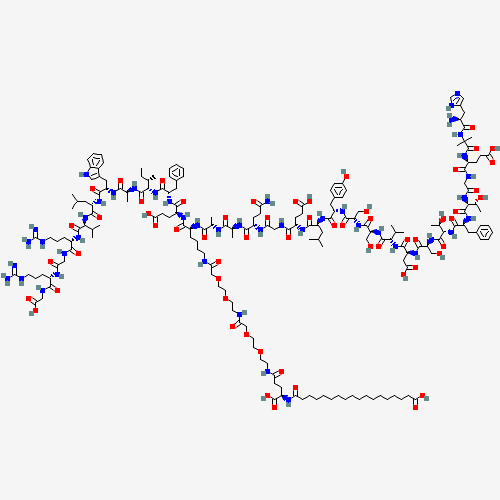
HAEGTFTSDVSSYLEGQAAKEFIAWLVKGRG — with a modification at position 26 (Lys26 acylated with a C-18 fatty diacid chain for longer activity)
C₁₈₇H₂₉₁N₄₅O₅₉
4113.58 g/mol