
Thymosin Alpha-1
What is Thymosin Alpha-1?
Thymosin Alpha-1 (Tα1) is a synthetic version of a naturally occurring peptide fragment derived from prothymosin alpha, a protein involved in regulating the immune system. Tα1 has been extensively studied for its role in immune modulation, infection resistance, and anti-tumor activity. It has been used internationally as an immunotherapeutic agent, especially in cases of viral infections and immune suppression.
Potential Benefits Shown in Studies
- Strengthening the immune system
- Supporting the body in fighting viral and bacterial infections
- Enhancing vaccine response and immune regulation
- Promoting T-cell activity and natural killer (NK) cell function
- Reducing inflammation and oxidative stress
- Supporting recovery during illness or immune suppression
- Helping regulate abnormal immune activity (autoimmunity, cancer research)
Mechanisms of Action
Thymosin Alpha-1 enhances immunity by:
- Stimulating T-cell production and activation
- Increasing natural killer (NK) cell activity
- Promoting dendritic cell maturation, improving antigen presentation
- Enhancing cytokine regulation, especially interferons and interleukins
- Balancing immune response, avoiding excessive inflammation or suppression
It is known for strengthening host defense mechanisms without overstimulating the immune system.
Research Highlights
Immune Restoration in Viral and Immunocompromised Conditions
Tα1 (synthetic version known as thymalfasin) is approved in numerous countries for enhancing immune response in chronic hepatitis B and C, improving CD4⁺ T-cell counts and reducing viral loads in HIV patients.
Reduced Mortality in Sepsis and Critical Illness
Meta-analyses and RCTs indicate Tα1 administration in sepsis significantly reduces multi-organ failure and mortality rates, showing promise as an adjunctive therapy in critical care.
Immune Modulation via Dendritic Cells & TLR Pathways
Tα1 enhances antigen presentation and immune cell maturation by acting through toll-like receptors in dendritic cells, bridging innate and adaptive immunity.
Oncology Applications and Immunotherapy Support
Clinical trials have explored Tα1 as an adjunct in cancer therapy, including melanoma and other malignancies, enhancing responses to chemotherapy and immunotherapy.
Molecular Structure
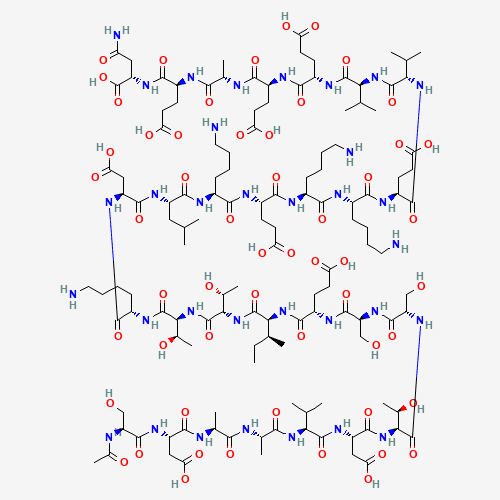
Ac-Ser-Asp-Ala-Ala-Val-Asp-Thr-Ser-Ser-Glu-Ile-Thr-Thr-Lys-Asp-Leu-Lys-Glu-Lys-Lys-Glu-Val-Val-Glu-Glu-Ala-Glu-Asp-Glu-Asn (28 amino acids)
C₁₂₉H₂₁₄N₅₆O₅₅
~3108.33 g/mol