BPC-157+TB-500+KPV (Restore Blend)
What is BPC-157+TB-500+KPV (Restore Blend)?
This research focused peptide blend combines BPC-157, TB-500, and KPV, three well studied peptides investigated for their complementary roles in tissue healing and inflammatory regulation. BPC-157 has been researched for supporting tendon, ligament, muscle, and gastrointestinal tissue integrity, while TB-500 is studied for its involvement in cellular migration, angiogenesis, and tissue remodeling. KPV has been researched for its ability to modulate inflammatory pathways and immune signaling, helping create an environment that supports efficient repair, recovery, and overall tissue resilience.
Potential Benefits Shown in Studies
- Supports tendon ligament and muscle tissue repair
- Promotes cellular regeneration and healthy tissue remodeling
- Helps regulate inflammatory signaling associated with injury and overuse
- Supports gut lining integrity and intestinal healing pathways
- May improve recovery efficiency mobility and tissue resilience
- Helps create a biological environment favorable for faster and more consistent healing
Mechanisms of Action
- BPC 157 is researched for its role in signaling pathways involved in collagen organization angiogenesis and tissue integrity
- TB 500 is studied for supporting actin regulation cell migration and tissue remodeling processes critical to repair
- KPV is researched for modulating pro inflammatory cytokines and immune signaling pathways
- Together the peptides support repair signaling while reducing inflammatory interference
- The combined mechanisms help optimize conditions needed for tissue healing and recovery
BPC-157
BPC-157 is a small protein found in the stomach that helps protect the gut, speed up healing, and support blood flow.
View peptide
TB-500
TB-500 is a synthetic peptide modeled after a naturally occurring protein in the body called Thymosin Beta-4. It is used in research due to its potential to support healing, reduce inflammation, and improve blood flow.
View peptide
KPV
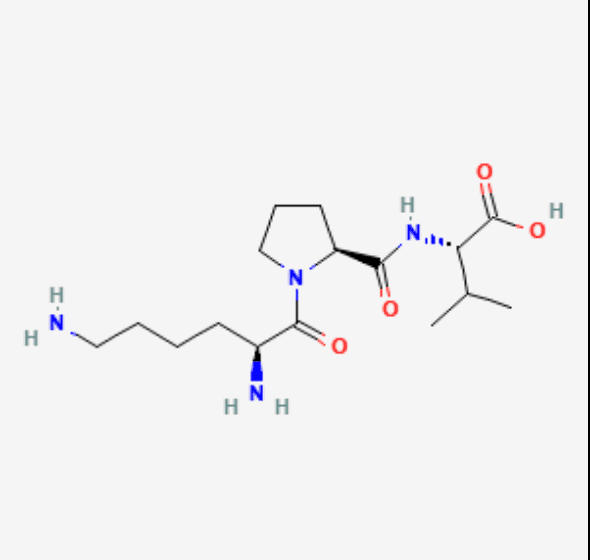
KPV (Lysine–Proline–Valine) is a short tripeptide studied for its potent anti-inflammatory properties. It works by inhibiting pro-inflammatory cytokines like TNF-α and IL-6, primarily through melanocortin receptor pathways. Research suggests KPV may help reduce inflammation in the gut, skin, and other tissues without suppressing the immune system.
View peptide
Research Highlights
BPC-157
Accelerated Musculoskeletal Healing & Regeneration
Preclinical studies show BPC‑157 markedly enhances repair of tendons, ligaments, muscles, nerves, bones, and vascular tissues in animal models by promoting angiogenesis, collagen synthesis, and fibroblast activity.
Mechanistic Insight: Pathways of Repair and Neuroprotection
BPC‑157 appears to act through multiple pathways including VEGF, nitric oxide signaling, and ERK1/2, leading to improved angiogenesis, reduced oxidative stress, neuromuscular stability, and protection against neurotransmitter imbalances in rodents.
Robust Tendon & Ligament Repair
Rodent models demonstrate that BPC‑157 accelerates healing of Achilles tendon and MCL injuries through aligned collagen fiber formation, increased fibroblast proliferation, and improved structural integrity.
TB-500
Actin Regulation & Cellular Repair Activation
TB‑500 influences cytoskeletal dynamics by binding to actin monomers (G-actin), promoting cell mobility and facilitating critical steps in tissue repair.
Preclinical Tissue Regeneration & Anti-inflammatory Actions
Animal studies demonstrate that TB‑500 accelerates wound healing, encourages blood vessel formation (angiogenesis), and mitigates inflammation, supporting recovery across multiple tissue types.
Clinical Insights from Thymosin β‑4 Trials
Clinical studies with native thymosin β‑4 (Tβ4) have shown accelerated healing of pressure ulcers and corneal injuries, indicating translational potential for TB‑500 in human tissue repair.
KPV
Anti inflammatory
Lysine-Proline-Valine peptide mitigates fine dust-induced keratinocyte apoptosis and inflammation by regulating oxidative stress and modulating the MAPK/NF-κB pathway
Skin benefits
Transdermal Iontophoretic Delivery of Lysine-Proline-Valine (KPV) Peptide Across Microporated Human Skin
Gut Health
A KPV-binding double-network hydrogel restores gut mucosal barrier in an inflamed colon
Molecular Structure
BPC-157
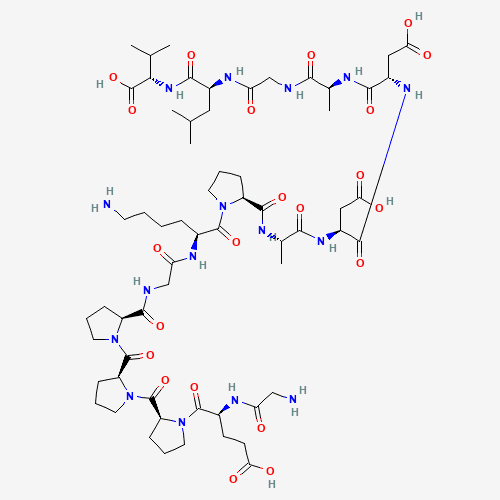
Gly-Glu-Pro-Pro-Pro-Gly-Lys-Pro-Ala-Asp-Asp-Ala-Gly-Leu-Val
C₆₂H₉₈N₁₆O₂₂
1419.556 g/mol
TB-500
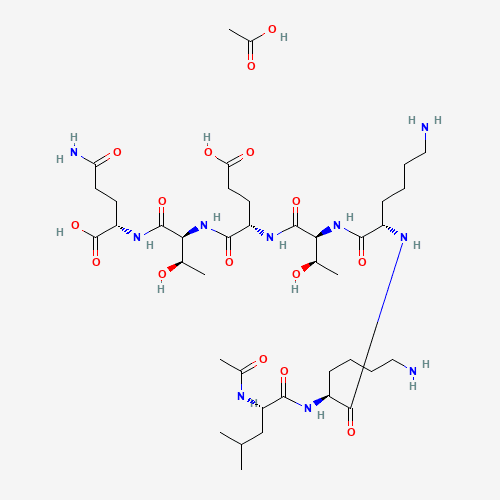
Ac-Ser-Asp-Lys-Pro-Asp-Met-Ala-Glu-Ile-Glu-Lys-Phe-Asp-Lys-Ser-Lys-Leu-Lys-Lys-Thr-Glu-Thr-Gln-Glu-Lys-Gln-Ala-Gly-Glu-Ser
C₂₁₂H₃₅₀N₅₆O₇₈S
4963.49 g/mol
Sources
Similar Research Products
BPC-157 + TB-500 + KPV + GHK-Cu (Klow Blend), 10/10/10/40mg
View peptide
KPV
View peptide
TB-500
View peptide
BPC-157
View peptide
BPC-157 + TB-500 (Wolverine Blend)
View peptide