BPC-157 + TB-500 + KPV + GHK-Cu (Klow Blend), 10/10/10/40mg
What is BPC-157 + TB-500 + KPV + GHK-Cu (Klow Blend), 10/10/10/40mg?
The KLOW Blend is a multi-peptide formulation designed to support comprehensive recovery, inflammation control, and tissue regeneration. It combines BPC-157, a synthetic peptide derived from a protein in gastric juice that’s studied for its ability to promote healing in muscles, tendons, ligaments, joints, and the gastrointestinal lining; TB-500, a thymosin beta-4 fragment known for enhancing cell migration, blood vessel growth, and tissue repair; KPV, a tripeptide with strong anti-inflammatory properties explored for its effects on cytokine regulation and immune balance; and GHK-Cu, a naturally occurring copper-binding peptide researched for its role in skin regeneration, wound healing, collagen synthesis, and antioxidant activity. Together, these peptides form a synergistic blend that targets multiple biological pathways involved in soft tissue healing, immune modulation, and cellular repair.
Potential Benefits Shown in Studies
Possible benefits of the KLOW blend:
- Accelerated healing of soft tissue, including muscles, tendons, ligaments, and skin
- Reduced systemic and localized inflammation through immune-modulating pathways
- Enhanced angiogenesis to improve blood flow and nutrient delivery to damaged tissues
- Improved tissue regeneration and remodeling with support for scar minimization
- Gut barrier protection and anti-inflammatory effects in gastrointestinal tissues
- Increased collagen synthesis and skin repair via copper peptide signaling
- Support for nerve regeneration and protection against oxidative stress
- Synergistic multi-pathway recovery—targeting inflammation, repair, and remodeling concurrently
Mechanisms of Action
BPC-157
- Upregulates growth factors like VEGF and FGF for tissue repair
- Enhances fibroblast activity and tendon fibrocyte migration
- Stabilizes nitric oxide pathways and protects endothelium
- Promotes angiogenesis and collagen formation at injury sites
TB-500
- Binds G-actin to regulate cytoskeleton dynamics and cell movement
- Stimulates angiogenesis via VEGF modulation
- Promotes wound healing by activating regenerative gene expression
- Enhances satellite cell recruitment in muscle repair
KPV
- Modulates inflammatory cytokines by downregulating NF-κB activity
- Acts on melanocortin 1 receptor (MC1R) to suppress local inflammation
- Reduces intestinal and skin inflammation in preclinical models
- Inhibits pro-inflammatory mediators like TNF-α and IL-6
GHK-Cu
- Activates genes related to tissue remodeling, wound healing, and antioxidant defense
- Increases synthesis of collagen, elastin, and glycosaminoglycans
- Promotes angiogenesis and blood vessel repair via copper ion transport
- Protects against oxidative stress and supports DNA repair enzymes
BPC-157
BPC-157 is a small protein found in the stomach that helps protect the gut, speed up healing, and support blood flow.
View peptide
TB-500
TB-500 is a synthetic peptide modeled after a naturally occurring protein in the body called Thymosin Beta-4. It is used in research due to its potential to support healing, reduce inflammation, and improve blood flow.
View peptide
GHK-Cu (Copper Peptide)
GHK-Cu is a naturally occurring copper-binding peptide made of three amino acids (glycine-histidine-lysine) bound to a copper ion. It is widely researched for its powerful effects on skin regeneration, wound healing, and anti-aging. GHK-Cu is naturally found in human plasma but declines with age, which is why it's gaining attention in regenerative and cosmetic science.
View peptide
Research Highlights
BPC-157
Accelerated Musculoskeletal Healing & Regeneration
Preclinical studies show BPC‑157 markedly enhances repair of tendons, ligaments, muscles, nerves, bones, and vascular tissues in animal models by promoting angiogenesis, collagen synthesis, and fibroblast activity.
Mechanistic Insight: Pathways of Repair and Neuroprotection
BPC‑157 appears to act through multiple pathways including VEGF, nitric oxide signaling, and ERK1/2, leading to improved angiogenesis, reduced oxidative stress, neuromuscular stability, and protection against neurotransmitter imbalances in rodents.
Robust Tendon & Ligament Repair
Rodent models demonstrate that BPC‑157 accelerates healing of Achilles tendon and MCL injuries through aligned collagen fiber formation, increased fibroblast proliferation, and improved structural integrity.
TB-500
Actin Regulation & Cellular Repair Activation
TB‑500 influences cytoskeletal dynamics by binding to actin monomers (G-actin), promoting cell mobility and facilitating critical steps in tissue repair.
Preclinical Tissue Regeneration & Anti-inflammatory Actions
Animal studies demonstrate that TB‑500 accelerates wound healing, encourages blood vessel formation (angiogenesis), and mitigates inflammation, supporting recovery across multiple tissue types.
Clinical Insights from Thymosin β‑4 Trials
Clinical studies with native thymosin β‑4 (Tβ4) have shown accelerated healing of pressure ulcers and corneal injuries, indicating translational potential for TB‑500 in human tissue repair.
GHK-Cu (Copper Peptide)
Skin Repair and Anti-Aging
Topical application of GHK-Cu has been shown to reduce wrinkles, improve skin elasticity, and enhance firmness by increasing collagen, glycosaminoglycans, and fibroblast activity.
Wound Healing and Tissue Regeneration
GHK-Cu accelerates wound closure and reduces scar formation by promoting angiogenesis, immune regulation, and tissue matrix rebuilding.
Hair Growth Stimulation
Research supports GHK-Cu's ability to stimulate hair regrowth, likely due to its effects on follicle enlargement, stem cell activation, and improved scalp circulation.
Molecular Structure
BPC-157
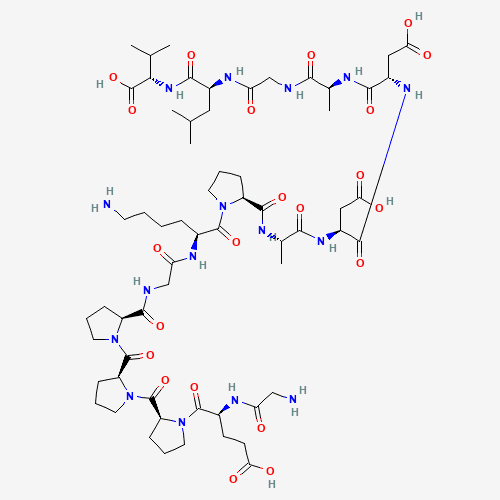
Gly-Glu-Pro-Pro-Pro-Gly-Lys-Pro-Ala-Asp-Asp-Ala-Gly-Leu-Val
C₆₂H₉₈N₁₆O₂₂
1419.556 g/mol
TB-500
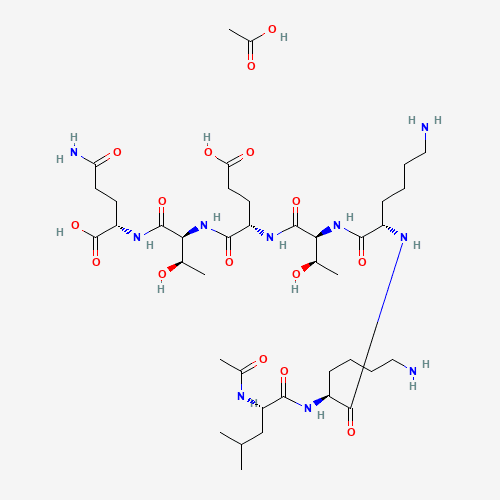
Ac-Ser-Asp-Lys-Pro-Asp-Met-Ala-Glu-Ile-Glu-Lys-Phe-Asp-Lys-Ser-Lys-Leu-Lys-Lys-Thr-Glu-Thr-Gln-Glu-Lys-Gln-Ala-Gly-Glu-Ser
C₂₁₂H₃₅₀N₅₆O₇₈S
4963.49 g/mol
GHK-Cu (Copper Peptide)
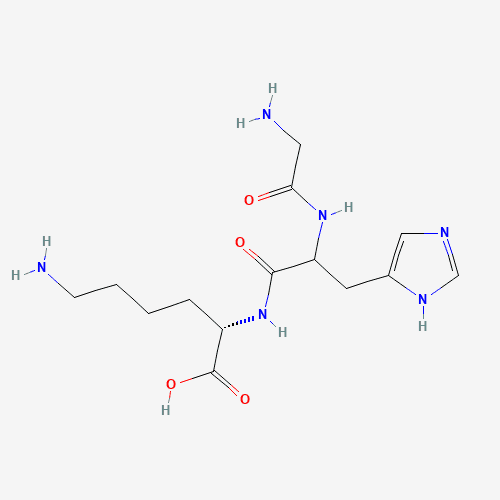
Gly-His-Lys (with bound Cu²⁺)
C₁₄H₂₄CuN₆O₄
340.9 g/mol