GHK-Cu + KPV
These compunds are not FDA approved and are not for human consumptionGHK-Cu (Copper Peptide)
GHK-Cu is a naturally occurring copper-binding peptide made of three amino acids (glycine-histidine-lysine) bound to a copper ion. It is widely researched for its powerful effects on skin regeneration, wound healing, and anti-aging. GHK-Cu is naturally found in human plasma but declines with age, which is why it's gaining attention in regenerative and cosmetic science.
View peptide
KPV
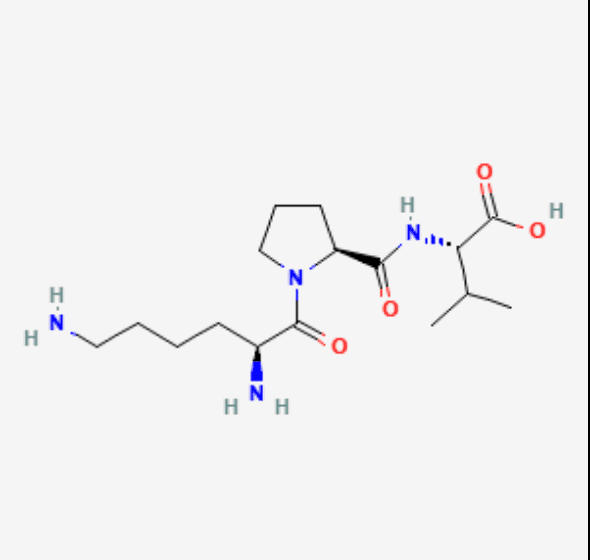
KPV (Lysine–Proline–Valine) is a short tripeptide studied for its potent anti-inflammatory properties. It works by inhibiting pro-inflammatory cytokines like TNF-α and IL-6, primarily through melanocortin receptor pathways. Research suggests KPV may help reduce inflammation in the gut, skin, and other tissues without suppressing the immune system.
View peptide
Research Highlights
GHK-Cu (Copper Peptide)
Skin Repair and Anti-Aging
Topical application of GHK-Cu has been shown to reduce wrinkles, improve skin elasticity, and enhance firmness by increasing collagen, glycosaminoglycans, and fibroblast activity.
Wound Healing and Tissue Regeneration
GHK-Cu accelerates wound closure and reduces scar formation by promoting angiogenesis, immune regulation, and tissue matrix rebuilding.
Hair Growth Stimulation
Research supports GHK-Cu's ability to stimulate hair regrowth, likely due to its effects on follicle enlargement, stem cell activation, and improved scalp circulation.
KPV
Anti inflammatory
Lysine-Proline-Valine peptide mitigates fine dust-induced keratinocyte apoptosis and inflammation by regulating oxidative stress and modulating the MAPK/NF-κB pathway
Skin benefits
Transdermal Iontophoretic Delivery of Lysine-Proline-Valine (KPV) Peptide Across Microporated Human Skin
Gut Health
A KPV-binding double-network hydrogel restores gut mucosal barrier in an inflamed colon
Molecular Structure
GHK-Cu (Copper Peptide)
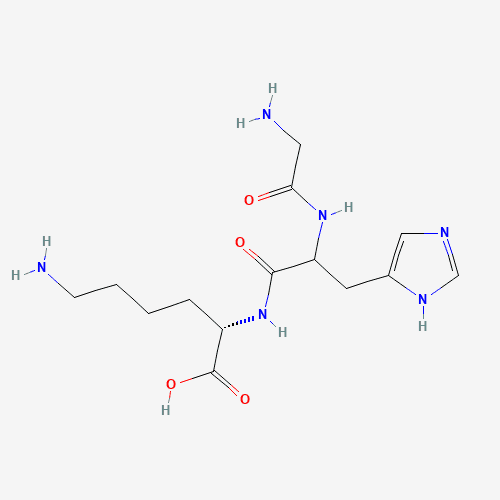
Gly-His-Lys (with bound Cu²⁺)
C₁₄H₂₄CuN₆O₄
340.9 g/mol